

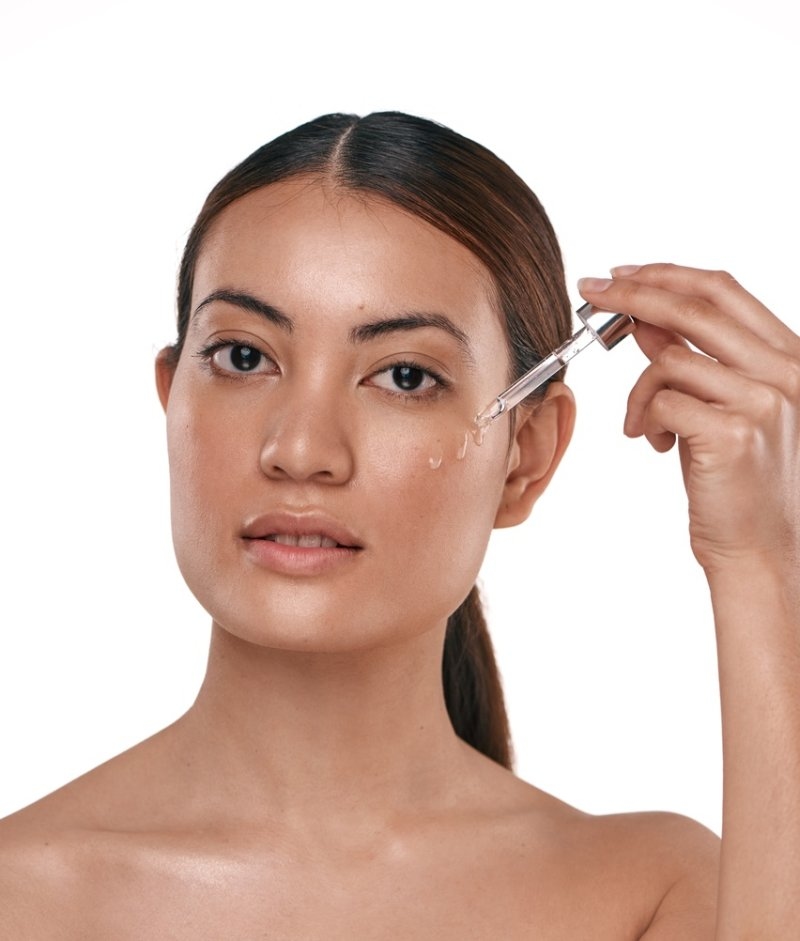
Starting a new active ingredient can feel daunting when fears of peeling or redness hold you back. Choosing retinol for beginners gives your skin a powerful boost toward smoothness, clarity, and overall radiance. According to clinical data published by the American Academy of Dermatology, topical retinoids significantly accelerate cellular turnover and stimulate collagen production over twelve weeks of consistent use.
Looking at stubborn breakouts, uneven texture, or early fine lines in the mirror can drain your personal confidence. You deserve a smooth, glowing complexion without enduring painful redness or severe dryness along the way.
In this comprehensive guide, we explore essential retinol benefits, examine selecting the right retinol concentration, detail how to use retinol for the first time, explain how to start using retinol without irritation, and show you how to build a complete retinol skincare routine.
Retinol is a synthetic or natural derivative of vitamin A belonging to the retinoid family. When applied to the skin, enzymes break it down into retinoic acid, making it one of the most thoroughly researched, clinically proven active ingredients in modern dermatology for cellular renewal and structural anti-aging.
Selecting the correct strength prevents overwhelming your skin barrier during initial applications. When picking a formula for a first-time retinol experience, beginners should always start with a low concentration between zero point zero one percent and zero point three percent.
Starting at this gentle dosage allows cell receptors to acclimate without triggering severe inflammatory responses or peeling. The best retinol for beginners often combines low-strength active ingredients with soothing additions like ceramides or hyaluronic acid.
| Beginner Experience Level | Recommended Retinol Concentration | Primary Focus / Purpose |
| Complete Beginner / Very Sensitive | 0.01% – 0.1% | Ultra-gentle introduction; minimizes risk of redness or peeling. |
| Standard Beginner | 0.2% – 0.3% | The ideal balance between visible results and barrier safety. |
| Intermediate (Post-Retinization) | 0.5% | Stepping up after 3–6 months of consistent use with zero irritation. |
| Advanced / Experienced | 1.0% | Maximum over-the-counter strength for stubborn wrinkles and texture. |
Integrating active ingredients into your evening regimen demands a thoughtful, step-by-step approach. The safest application method for newcomers is the sandwich technique.
Apply a light layer of soothing moisturizer to clean skin, wait ten minutes, apply a pea-sized amount of active serum across your face, and seal with a second layer of moisturizer. This buffering method cushions active absorption while preserving efficacy.
Beginners should never apply active formulas daily right away. Apply your formula once during the first week, twice during the second week, and three times weekly throughout the first month. This slow progression gives your skin barrier time to build tolerance safely.
Pair your active formula with hydrating ingredients like glycerin, squalane, and ceramides. Avoid combining retinol with strong exfoliants like glycolic acid or salicylic acid in the same night routine. Always wear broad-spectrum sunscreen every morning because vitamin A increases sun sensitivity.
Must Try: Best Routine for Mature Skin for Less Wrinkles and More Glow
Starting retinol is a journey of building skin tolerance, a period known as retinization. Results require patience; you will not see transformed skin overnight, and it often looks slightly worse before it gets better.
Here is the list of the top 5 retinol products for beginners:
Uses encapsulated retinol paired with three essential ceramides and niacinamide to restore the skin barrier while gently smoothing post-acne marks and texture.
Formulated with a blend of retinol and bakuchiol to nourish, firm, and brighten skin without causing harsh dryness.
Combines pure retinol with antioxidant Coenzyme Q10 to neutralize free radicals and boost collagen production.
A water-free, lightweight solution that delivers pure retinol suspended in hydrating squalane oil to fight fine lines and texture.
High-performance night cream featuring advanced delivery systems to ensure maximum stability and slow release of active retinol.
They might appear to be similar, but they have vast differences between them, and here are the following:
| Attribute | Retinol | Retinal (Retinaldehyde) |
| Conversion Steps | Requires 2 steps to convert into active retinoic acid (retinol → retinal → retinoic acid). | Requires 1 step to convert into active retinoic acid (retinal → retinoic acid). |
| Speed of Action | Slower; results appear steadily over 8–12 weeks. | Faster; acts up to 11x faster than retinol. |
| Irritation Potential | Moderate; higher potential if overused on weak barriers. | Lower to moderate; highly efficient with less byproduct friction. |
| Best For | Anti-aging beginners and sensitive skin types. | Intermediate users, stubborn acne, or fast texture correction. |
Essential Reads: How to Create a Night Routine for Better Sleep & Stress-Free Evenings
Taking charge of your skin health with a structured approach brings remarkable transformation over time. Throughout this guide, we explored primary retinol benefits, identified the ideal retinol concentration for newcomers, and detailed safe application steps.
We also covered managing mild retinol side effects, scaling frequency gradually, and buffering actives with rich moisturizers and daily sunscreen. By prioritizing patience, low dosages, and protective hydration, you cultivate a luminous, smooth, and healthy complexion safely.
Achieving radiant, balanced skin becomes effortless when you nourish your natural barrier with expertly formulated skincare solutions.
Investing in gentle, high-performance products elevates your daily routine and protects your skin against premature environmental damage. Discover transformative skincare collections, expert beauty advice, and soothing formulas today at Truly 17.
Encapsulated retinol houses active vitamin A inside microscopic lipid coatings. This slow-release delivery method allows active ingredients to penetrate deeper layers before breaking down, minimizing surface irritation and reducing redness for sensitive complexions.
The skin around your eyes is thin and delicate, making it susceptible to dryness. Use specialized eye creams with low active percentages, or apply a thick moisturizer buffer around the orbital bone before tapping a tiny amount of formula carefully.
Purging occurs when accelerated cell turnover brings underlying clogged pores to the surface rapidly. Not everyone experiences purging, but if small blemishes appear in habitual trouble spots, they typically clear within four to six weeks of continued use.
Retinol degrades quickly when exposed to direct light and oxygen. Store your skincare products in opaque, airless pump containers away from heat sources and direct sunlight to ensure active ingredients remain effective over time.
You can safely use retinol in summer, as long as you apply it only at night and wear broad-spectrum SPF 30 or higher every morning. Reapply sunscreen every two hours when spending extended time outdoors to prevent sun damage.
This content was created by AI