

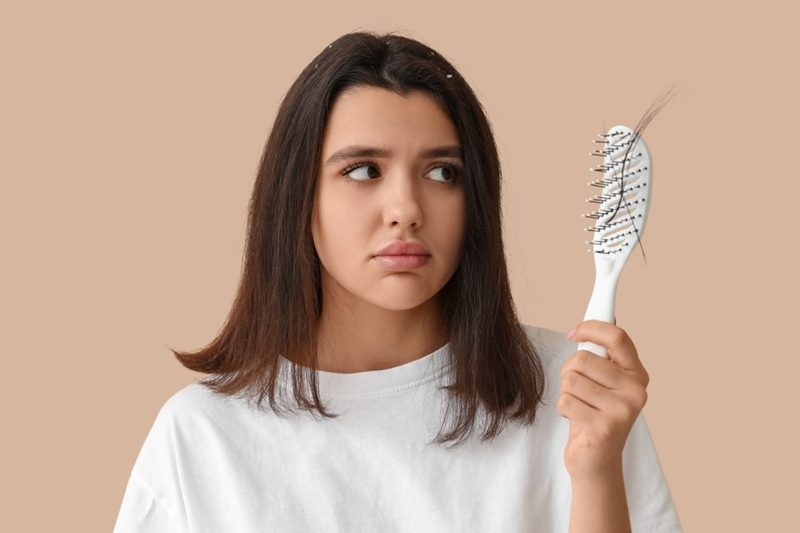
Some hair in the shower? Normal. A little extra on the brush when the weather changes? Also pretty normal. That is where people get confused, though. A few more strands show up, panic kicks in, and suddenly every wash day feels suspicious.
The truth is, seasonal shedding is a real thing for some people. Hair does not always behave the same way all year. Changes in daylight, stress on the body, scalp condition, heat, dryness, and even the timing of the hair growth cycle can all affect how much hair seems to come out. Dermatology sources also note that shedding can happen for many different reasons, including stress, illness, childbirth, nutrition issues, medications, and hereditary hair loss, so season-related shedding is only one piece of the puzzle.
That is why the smartest move is not to panic. It is to pay attention.
If shedding feels mild, temporary, and mostly seasonal, it may settle. If it feels heavy, patchy, sudden, or tied to other symptoms, it is worth taking more seriously. That distinction matters.
Hair grows in cycles. Some hairs are actively growing, some are resting, and some are getting ready to shed. When more hairs shift into the resting phase than usual, shedding becomes more noticeable. Cleveland Clinic explains that in telogen effluvium, a stressor or body change can push more hairs into the telogen phase, leading to increased shedding that often shows up a couple of months later.
That does not mean every seasonal shed is telogen effluvium, but it helps explain why timing can feel weird. Sometimes the trigger happens first, and the visible hair fall comes later.
There is also some evidence that people may notice more shedding during certain times of year, especially late summer into fall. Not everyone sees it. Not everyone sees it the same way. But many people do notice a seasonal pattern in how much hair ends up in the drain or on the pillow. And honestly, that is often the part that rattles them most. It looks dramatic, even when the scalp still appears mostly full.
This is where things need a little nuance.
When people notice more fallout, they often assume weather is the whole story. Sometimes it is not. The main hair shedding causes can include physical or emotional stress, illness, surgery, high fever, childbirth, poor nutrition, certain medications, thyroid issues, traction from tight hairstyles, and inherited hair loss patterns. The American Academy of Dermatology, Mayo Clinic, and Cleveland Clinic all list different combinations of these triggers, and they all make the same basic point: more than one thing can be going on at once.
That matters because someone may blame fall weather when the real issue is low iron, stress from a rough few months, or a thyroid problem quietly building in the background.
So yes, season changes can play a role. But they should not get blamed for everything.
For most people, seasonal hair loss does not show up as sudden bald patches. It is usually more diffuse than that. Hair may look a bit thinner overall, the ponytail may feel slightly smaller, or there may simply be more loose strands during washing and brushing.
That is different from alopecia areata, which the AAD says often causes sudden round or oval bald patches. It is also different from traction alopecia, which is linked to repeated pulling from tight styles. Those differences matter because they help separate “annoying but likely temporary” shedding from something that needs a proper evaluation.
A lot of people miss that distinction because they are not really examining the pattern. They are just reacting to the amount of hair they see in one moment. Fair enough. Hair loss feels emotional fast.
Still, pattern matters.
Now to the question people actually want answered: how to stop hair shedding.
The honest answer is that not all shedding can be stopped instantly. If the hair cycle has already shifted, the body may need time to move through it. Cleveland Clinic notes that acute telogen effluvium often resolves within three to six months, with regrowth following afterward.
What people can do, though, is reduce extra stress on the hair and scalp while things settle.
A gentle routine helps. That means avoiding harsh pulling, rough towel drying, aggressive brushing, and constant heat styling. The AAD specifically recommends avoiding tightly pulled styles because repeated tension can cause hair loss over time.
It also helps to keep the scalp clean and comfortable. Cleveland Clinic notes that washing frequency should depend on how oily the scalp is, and that dry winter conditions may make moisturizing care more important.
None of this is glamorous. It is just practical. But practical works.
You May Also Like: How to Make Your Hair Shiny With Easy Daily Hair Habits
Real hair fall prevention is usually less about miracle products and more about consistency.
That means eating well enough to support hair growth, managing stress where possible, sleeping properly, being careful with chemicals and heat, and not ignoring major changes in the body. Mayo Clinic lists stress and poor nutrition among hair-loss causes and notes that some preventable types of hair loss may be reduced with gentler care habits.
This is also where people need to be honest with themselves. Have they been crash dieting? Skipping meals? Overprocessing their hair? Wearing it tightly every day? Going through a stressful stretch and pretending it is fine? Those things count.
Sometimes reduce hair shedding advice sounds too basic to be useful, but basic habits are often the first place to look. Hair is not separate from the rest of the body. It reacts to what the body is dealing with.
This part matters the most.
If shedding is heavy for more than a few months, or if it comes with fatigue, brittle nails, irregular periods, scalp pain, itching, obvious thinning spots, or changes in texture, it is worth checking in with a doctor or dermatologist. NHS guidance says to see a GP if you are worried about hair loss, and Mayo Clinic notes that thyroid conditions can include hair loss among other symptoms.
That is especially true if there are visible patches, a receding hairline that is progressing, or family-history clues that suggest something more than a temporary shed.
A lot of people wait too long because they do not want to seem dramatic. But getting a cause checked early is not dramatic. It is sensible.
If the goal is to reduce hair shedding, the best approach is usually a calm one.
Keep the hair care routine gentle. Eat regularly and well. Protect the scalp from excess dryness. Avoid over-washing if the scalp gets stripped, but do not let buildup sit there forever either. Cut back on heat tools if possible. Be especially careful with brushing when hair is wet. And maybe most importantly, give the hair cycle time before assuming the worst.
There is no single product that magically overrides biology. That is the frustrating part. But there are plenty of ways to support healthier conditions while the body resets.
And yes, patience is part of it. Nobody loves hearing that. Still true.
One of the biggest differences between seasonal hair loss and longer-term conditions is duration. A temporary shed often levels off. Chronic or progressive hair loss usually does not feel tied to one season and may keep worsening over time. Cleveland Clinic says acute telogen effluvium usually lasts fewer than six months, while chronic telogen effluvium lasts longer.
That timeline is helpful. If someone notices a seasonal flare that eases, that is one thing. If the thinning keeps building month after month, the conversation changes.
This is also why it helps to track what is happening instead of relying on a stressed-out memory. A simple photo every few weeks, taken in the same lighting, can tell a clearer story than one emotional glance in the mirror.
As Previously Covered: Hair Thinning Signs Every Woman Should Notice Early Insights
The best mindset is probably this: notice it, but do not catastrophize it.
Hair naturally sheds. Sometimes it sheds more. Sometimes the season may be part of that. But the bigger picture matters more than one dramatic shower drain moment. If the shedding is mild and temporary, supportive care may be enough. If it is persistent or paired with other symptoms, it deserves real attention.
That is really the balance people need.
Seasonal shedding can be normal. It can also be a clue. The trick is knowing when it is just a phase and when it is trying to tell someone something more.
Yes, it can feel more noticeable in curly hair because loose strands often stay trapped in the curl pattern until wash day. That can make one wash look dramatic, even when the daily shedding amount was spread across several days.
Sometimes people feel like it does, but the bigger issue is usually dryness, frizz, or breakage happening at the same time. Seasonal weather shifts can change how hair behaves, which may make it seem thinner, rougher, or less defined.
Not automatically. Switching too many products at once can make things harder to track. It is usually better to simplify the routine first, stick with gentle basics, and only make bigger changes if the shedding continues or a clinician suggests it.
This content was created by AI