

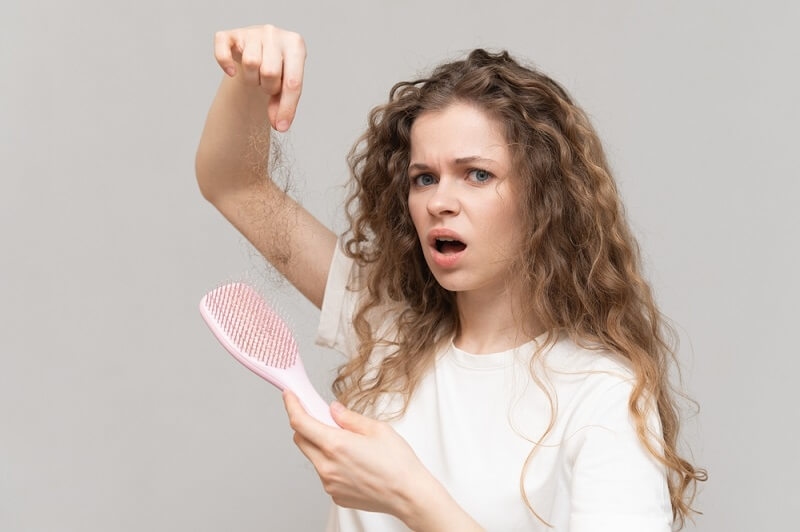
The first step to repairing your strands and stopping breakage in its tracks is understanding what's causing it. In the world of beauty and hair care, one of the most frustrating issues involves breakage-especially when you start noticing damaged hair signs, dryness, shedding, or thinning. Many individuals have to go through this problem without knowing what actually triggers weak hair, heat styling issues, or daily habits that can cause slow damage to the hair shaft. That's why learning breakage prevention, heat damage tips, and simple weak hair solutions can make all the difference in improving your hair health dramatically.
The following guide integrates science, daily routines, and endorsed strengthening routines to aid in feeling empowered to decide on your hair journey and stop the breakage for good.
Before you replace your strands, you need to have a deeper understanding of what breaks your strands. Hair breakage never occurs because of one thing; it is always the combination of mechanical stress, chemical stress, heat misuse, and poor haircare habits.
These directly weaken the cuticle by reducing elasticity and making hair more susceptible to snapping.
Here are the most common reasons for hair breakage, no matter your hair type or texture:
Excessive heat styling is one of the most common causes of hair breakage. Flat irons, blow dryers, curling wands, and hot combs all expose your hair to temperatures above 400°F, which can compromise the inner cortex and even melt away the protective cuticle.
Signs of hair damage resulting from heat include:
Tips for styling with heat damage in mind:
Bleaching, coloring, relaxing, perming, and keratin treatments change the inner structure of your hair. Thus, while they can create beautiful results, they weaken your strands considerably.
Chemical exposure is one of the leading factors that contribute to hair breakage—particularly when treatments are frequently applied.
The following indications will let you know that your hair is already chemically compromised:
Chemical treatments should be combined with damage avoidance measures to limit wear on the hair, use moisturizing deep conditioners between treatments, and protein treatments to provide some balance.
Another major factor contributing to hair breakage is physical tension. Very tightly pulled ponytails, braids, buns, or even extensions not only stretch the hair shaft but also pull on the follicle. With time, this leads to breakage and can even cause traction alopecia.
To prevent mechanical injury:
Your scalp produces natural oils that create a protective layer for nourished hair. Over-washing the hair removes the oils, which makes it dry and damaged.
Skipping conditioner weakens the cuticle and reduces elasticity.
To effectively prevent breakage, you should aim to:
Hand in hand with frequent washing, sun, pollution, chlorine, and salt water all break down the integrity of hair fibres slowly.
UV rays degrade keratin while salt and chlorine dehydrate strands.
To protect your hair:
Recognizing the early signs of hair damage may help one understand what really causes hair breakage. Most people realize symptoms but never address them until the condition becomes severe.
Here are the most typical signs that indicate your hair is getting weak, brittle, and susceptible to snapping:
Split ends mean that the cuticle is broken and the inner cortex is exposed. If left untreated, they travel up, causing mid-shaft breakage.
One of the earliest signs of damaged hair is a rough texture, which may be from dehydration or heat exposure.
Breakage appears as short, uneven pieces, whereas shedding involves full strands with the attached root.
Healthy hair stretches and then goes back into place. Weak hair snaps right away because the internal bonds are broken.
A compromised cuticle creates friction, causing hair to knot and tangle in excess.
When these signs crop up constantly, it's time to focus on weak hair solutions and some focused strengthening habits.
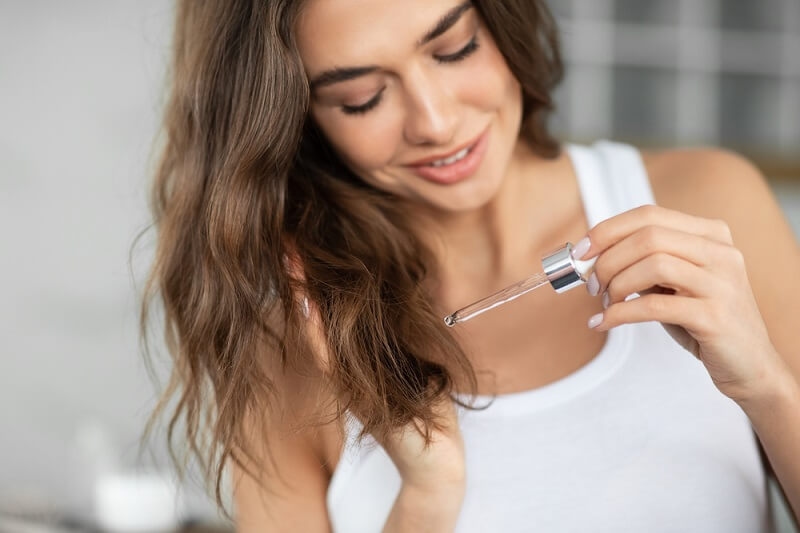
If you're trying to reverse what causes hair breakage, prevention is essential. You can prevent most hair damage by taking hair care strategically.
Here are some proven tips for preventing breakage or heat damage to your hair, as well as ways to promote stronger and healthier strands:
Incorporate a combination of moisture and protein to rebuild areas that have been damaged. Too much moisture causes limpness; too much protein leads to brittleness.
Core strengthening habits:
These weak hair solutions help your strands stay resilient against everyday stress.
If you're a frequent heat styling user, you should always apply a heat protectant before each session. These allow you to keep a barrier that minimizes moisture loss and helps to prevent the cuticle from getting burned.
Key heat damage tips:
Protective styles minimize friction, tangling, and manipulation. Excellent options include loose braids, twists, low buns, and silk-wrapped styles.
They help minimize many of the triggers behind what causes hair breakage and thus provide long-term benefits for fragile hair.
Creating an evening routine is essential for minimizing breakage.
Try introducing these habits:
Stronger hair starts from within. Dehydration makes strands brittle and prone to snapping.
Increase:
Once you start examining causes of hair breakage, you'll find that most of the problems emanate from weakened structure. Fortunately, you can rebuild strength with consistent care.
Here are some of the most efficient weak hair solutions recommended by experts:
There are products with bond-repair technology that rebuild broken disulfide bonds from the inside out. Bond-repair treatments are particularly helpful after bleaching or heat damage.
The less you touch the hair or manipulate the style, the less hair breakage. Keep it simplified, and try not to brush throughout the day.
Move to:
These all create less friction, therefore help to reduce the signs of damaged hair.
Knowing what causes your hair to break gives you the tools to make informed and healthy decisions for your hair. You can change the health of your hair with the right information, following consistent habits, and implementing breakage prevention strategies. Be truly aware of what the signs of damage are, address those with efforts to rebuild, and only follow trusted heat damage options. Include replacements of weak hair in your daily hair regimen, and before you know it, with time and staying the course, that hair will not only feel stronger, but it will also look healthier, smoother, and much stronger. Strong hair isn't made overnight, but the habits that strengthen it will likely take your hair from fragile to flourishing.
This content was created by AI